The promotion of FC St. Pauli to the Regionalliga in 1977 was not just a sporting success; it was a cultural event that laid the foundation for the unique identity of the club that endures to this day. At a time when the club was facing financial difficulties and sporting challenges, the team, under the guidance of coach Franz Gerber, was able to play an impressive season and secure promotion.
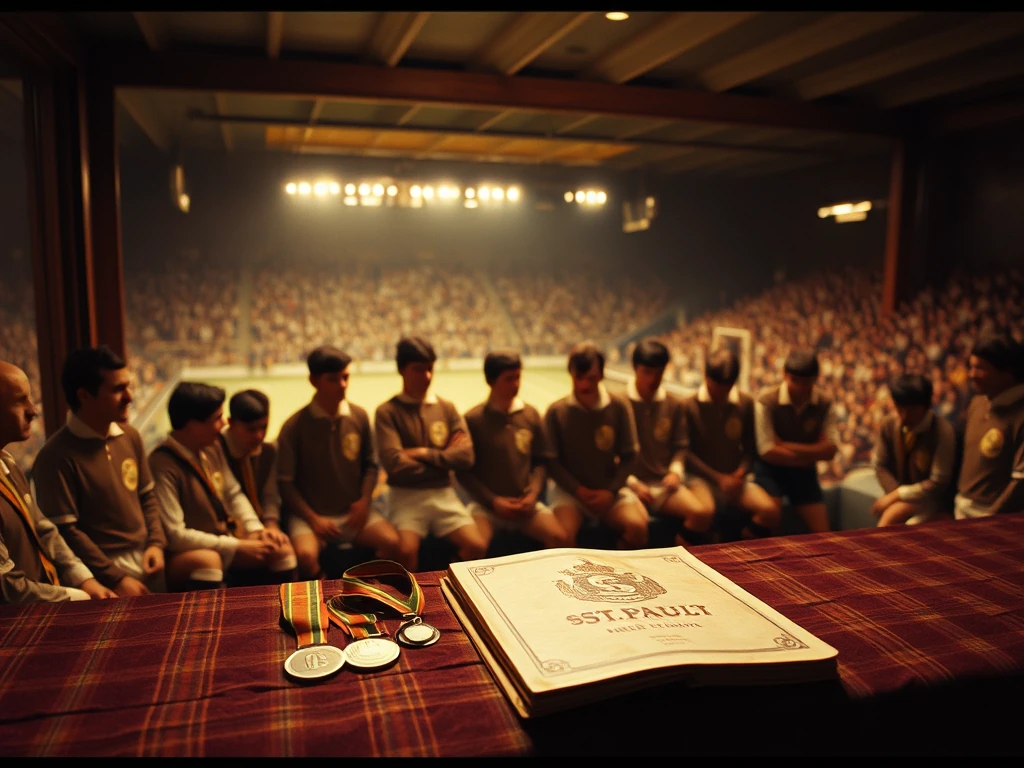
The decisive moment came on May 15, 1977, when the Kiezkicker faced VfL Osnabrück in the final match of the season. With a passionate performance, supported by an enthusiastic fanbase, St. Pauli clinched promotion. The jubilation of the fans, who had often battled in the second division until that point, was overwhelming and created an atmosphere that would go down in the club's history.
However, the significance of this promotion extends beyond sporting success. It marked a turning point that allowed St. Pauli to evolve from a regional club to a nationally recognized team. Club management and fans began to establish a new culture of support and connection that would solidify in the years to come.
In the following years, St. Pauli's fanbase developed into one of the most passionate in Germany. The 1977 promotion was the starting point for a time of change, where the club not only celebrated sporting successes but also brought social issues to the forefront. The Kiezkicker quickly became known for their stance against racism, discrimination, and in favor of social justice, turning the club into a voice for many fans who identified with these values.
Overall, the 1977 promotion is a milestone in the history of FC St. Pauli, laying the groundwork for the club's development in the following decades. This achievement and the associated changes are still felt today and influence the self-understanding of the Kiezkicker and their loyal supporters. The 1977 promotion remains a shining example of the power of football to create community and shape identity.