 FC St. Pauli Hub
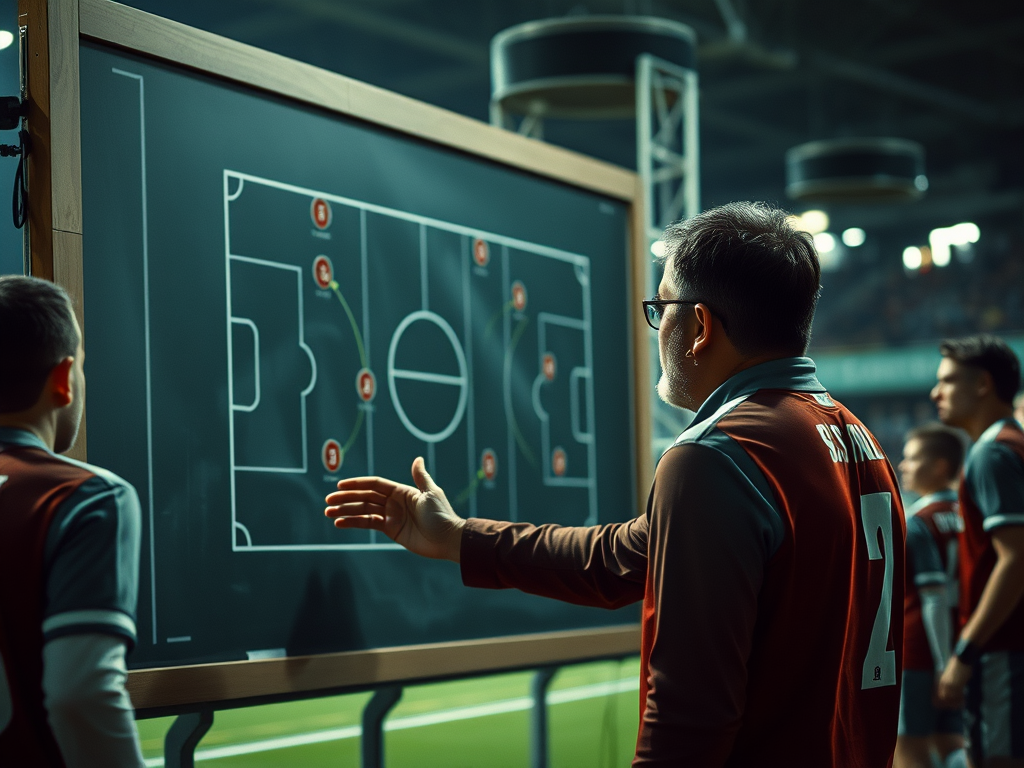
In St. Pauli’s tactical setup, the left back plays a central role. He is not only responsible for securing the defense but also for supporting the attacking play. With his speed and eagerness to move forward, he provides an important outlet that advances the team into the opponent's half. This often manifests in overloads on the left side, where he combines with wingers to put pressure on the opposing defense.
Another aspect that underscores the importance of the left back is his ability to retreat into the center when St. Pauli loses possession. Here, he acts as an additional cover player, attempting to thwart the opponent’s counterattacks. This flexibility is crucial for maintaining the balance between attack and defense. Additionally, it allows the team to operate in a 4-2-3-1 system, where the left back can also function as an extra midfielder without weakening the defensive line.
The interplay of the left back with the central midfield is also of great significance. Through intelligent positioning and precise passes, he can not only initiate his own offensive actions but also create space for his teammates. These interactions are particularly important for breaking down the opponent’s defense and creating chances. His ability to quickly move the ball forward or switch to the flanks makes him an indispensable part of St. Pauli’s game.
In summary, St. Pauli's left back plays a key role not just defensively but also offensively. His versatility, tactical intelligence, and ability to integrate into the team’s play are essential for the success of the Kiezkicker. In a league where every point matters, it is crucial for this player to strike the right balance between stabilizing the defense and providing attacking impetus.